Have you discovered small folds around the bend of your eyes or cheeks? These great lines are brought on by duplicated muscle movements such as smiling and laughing, which create grooves in your skin that strengthen with time. Moisturise two times a day to moisten your skin, and completed with a lotion including peptides to avoid the look of creases.
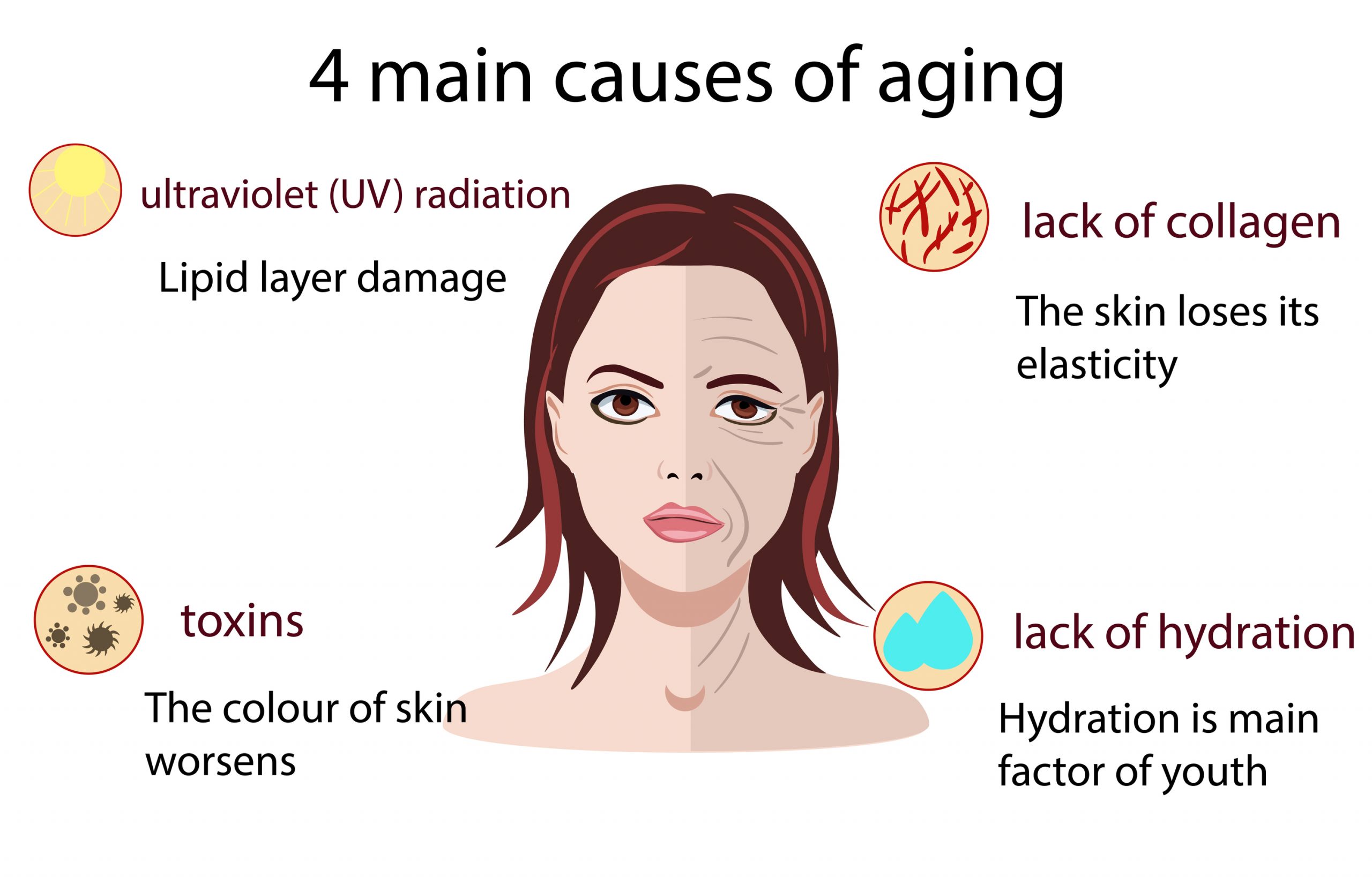
Peptide‐based solutions are one more course of topicals that have acquired interest for their duty in boosting collagen manufacturing, boosting skin elasticity, and minimizing the appearance of fine lines and wrinkles. Peptides, such as palmitoyl pentapeptide‐4, imitate growth aspects that normally decrease with age and assistance to enhance the skin's structural integrity. Peptides are generally well‐tolerated with marginal negative effects, making them appropriate for a lot of skin types, including delicate skin [53, 55]
Indicators Of Premature Aging
Lotions or essences containing prune extract can help protect against melanin manufacturing triggered by UV exposure. If you have actually detected any hyperpigmentation, reach for brightening components such as trim extract that are known to aid stop melanin production triggered by UV direct exposure. According to 2023 research study, topical retinoids may boost the density of the facial and epidermal layers. A doctor will commonly be able to diagnose slim skin based upon its look. A loss of fat from the hypodermis creates the skin to look less plump or complete, which can make the skin show up thinner.
- A physician can encourage on whether to stop particular medications and offer feasible choices.
- Sores suspicious of skin cancer present as expanding swellings or sores that fall short to heal.
- Technically speaking, the skin begins to age at around age 10.
- Family members history can additionally give clues regarding hereditary influences on aging.
- " Retinoids" refers to a variety of vitamin A-based skin care items.
- Skin thinning is a natural part of aging, so it may not always be possible to make it thicker.
Surprisingly, the last phase of the skin's lifecycle begins at age 30 and is identified generally by inactivity. This third phase is characterized by the slow-moving and constant damage of the health and wellness and quality of the skin. There are two unique paths old skin after age 30 during the non-active phase.

Lack of rest further dysregulates hormonal agent levels, which only makes menopause harder on your skin. Our setting and way of living options can create our skin to age prematurely. The medical term for this type of aging is "extrinsic aging." By taking some precautionary activities, we can slow the effects that this type of aging has on our skin. In addition
click here to investigate the organic mechanisms of skin aging, the economic and social importance of the aging and anti‐aging market has actually grown considerably. The global anti‐aging market, valued at over $60 billion, mirrors a substantial and increasing need for products and treatments that target aging [7] Middle‐aged and older adults have historically been the primary consumers of anti‐aging items, however recent patterns suggest an expanding interest from younger demographics seeking preventative measures [8, 9]
At what age does skin age the most?
- Skin appearance is denser and hardened; the skin really feels thicker.Ageing in the skin is sped up and very visible.Collagen manufacturing is significantly minimized, causing the loss of all collagen in the next phase. You can consume foods abundant in anti-oxidants or use antioxidant creams straight to the skin. Research studies recommend that topical vitamin C perhaps especially helpful to minimize the appearance of great lines and wrinkles. Get in touch with a skin doctor for items that contain sufficient vitamin C to be effective.
This is just one of the key structures we make use of to assist our patients age with dignity. This is why we are constantly emphasizing to our individuals the relevance of shielding their skin from UV light with evasion of sunlight direct exposure and use of sun blocks. To learn more about general skin treatment, please see WebMD.com. Image aged skin is identified by a generalised growth and thickening of skin overtime.
Nevertheless, it could be feasible to slow down the rate at which skin ends up being thinner. These pigmentary disorders, together with irregular complexion and freckles, overmuch affect individuals with the skin of shade and can significantly affect their quality of life. The persistent nature and psychosocial effects of coloring modifications in darker‐skinned individuals necessitate more conversation to resolve this populace's distinct challenges [42, 43] Two independent reviewers screened the abstracts and complete texts of the selected research studies to guarantee eligibility. Any kind of inconsistencies in study choice were fixed through conversation.
Top Physicians In,
A comprehensive literary works review was performed, concentrating on peer‐reviewed journals, professional researches, and
Facial Harmony scientific testimonials published within the last two decades. The addition criteria prioritized researches that resolved intrinsic and external devices of skin aging. To make certain the importance and quality of the chosen sources, a systematic method was made use of to evaluate research study layout, example size,
Facial Harmony methodology, and the value of the findings in the context of skin aging.
Rough, Uneven Appearance
In addition, advancing UV damages and swelling interrupt skin cell turnover, causing a harsh, irregular complexion [6, 22, 43] Wrinkles and great lines are trademark signs old skin, typically developing progressively with time. They result from a mix of intrinsic variables, such as reduced collagen and elastin production, and extrinsic variables, such as UV direct exposure and recurring facial expressions. At first, fine lines may appear around locations of facial movement, such as the eyes (crow's feet) or mouth (smile lines).
Other hormonal agents, including growth hormonal agent and dehydroepiandrosterone (DHEA), also influence skin aging. Growth hormonal agent helps promote cell regeneration and repair service, while DHEA is involved in the production of sebum, contributing to skin hydration and barrier feature. Declines in these hormonal agents with age can better aggravate the indicators of skin aging [22] Hereditary variables apply substantial influence in figuring out the rate and way of aging. Variations in genes associated with DNA repair, antioxidant protection, and metabolic processes can affect durability and vulnerability to age‐related conditions.